
A 152 by 190 centimetre Queen is the default choice for couples in a Singapore master bedroom, and that’s precisely where the trouble starts. Two side sleepers sharing that surface are essentially negotiating a compromise every night, each person’s need for contouring support competing over a finite width. The mattress might be designed to cradle shoulders and hips, but when you’re confined to your half, you can’t fully settle into the softer zones without encroaching on your partner’s space. You end up sleeping on the edge of the bed’s supportive area, where the foam or latex hasn’t been engineered to properly relieve pressure.
Consider the layout of a typical 4-room BTO master bedroom, which often measures around three and a half by three metres. After squeezing in a Queen, you’re left with maybe thirty centimetres on one side and sixty on the other for movement. That’s already tight. But the real constraint isn’t just floor space—it’s the sleeping surface itself. Each person gets roughly seventy-six centimetres of width. For a side sleeper, that’s barely enough to allow the natural, slightly curled posture that distributes weight optimally. One partner rolls towards the centre to find relief, and the other gets nudged onto a firmer, less forgiving section of the mattress. That’s how shoulder pain or a stiff hip develops over weeks, a slow creep of discomfort that’s easy to blame on ageing or stress, but really stems from a simple geometry problem.
There’s a counterintuitive point here that many don’t consider until they’ve lived with it: a mattress’s comfort layers are mapped. The deepest contouring and pressure relief are usually centred in each sleeper zone. If you’re forced to perch near the perimeter because your partner needs more room, you’re sleeping on a transition area between support zones. That part of the mattress is often firmer, a bridge between the two personalised comfort pockets. So even a perfectly designed side-sleeper mattress can fail you if the bed size doesn’t grant full access to its engineered sweet spots.
The exception is for couples who sleep like statues, barely moving from the moment they lie down. If both of you maintain a rigid, identical position all night, a Queen might work. But that’s rare. Most people shift slightly, seeking cooler spots or adjusting a limb. Those micro-movements in a confined space mean you’re never fully settled into the ideal support contour. For side sleepers, that’s a recipe for persistent pressure points. The solution isn’t a fancier mattress within the same footprint—it’s more footprint. Otherwise, you’re just trading one type of compromise for another, and the pain will follow.
A Queen mattress, that 152 by 190 centimetre rectangle, is the default for many couples. It fits nicely in a typical BTO master bedroom—the one around three and a half metres square. You’ll have enough space for a couple of bedside tables and a clear path to the wardrobe. But if you’re eyeing a King, roughly 183 centimetres wide, you need to do more than just measure the room’s walls. That extra width can dominate a twelve square metre common bedroom until you’re climbing over the bed to reach your clothes. It’s not just about the mattress; you’ve got to account for the frame’s footprint and the space those bedside tables will eat up.
Think about the clearance you actually need. For comfortable access, aim for at least sixty centimetres on the side you use to exit the bed. Other sides can be tighter, maybe thirty centimetres, but that’s already pushing it. In a resale flat with a smaller master bedroom, a King might leave you with just a narrow alley along one side. That’s fine if you’re a minimalist, but for side sleepers who need to shift position easily, cramped quarters can make getting up a clumsy ordeal. The room feels functional, but not relaxed.
There’s a practical exception, though. If your bedroom layout places the bed against a wall, you can sometimes fit a King. You lose access from one side, but it frees up floor space elsewhere. This works in some newer condo layouts where the bedroom is a bit longer, allowing you to push the bed against one wall and still have decent walking space along the other. Just remember, a side sleeper pinned against a wall might find it harder to roll over comfortably during the night.
So, what’s the verdict? For most HDB flats, a Queen is the smarter choice. It gives you the room to move and accommodates the bedside furniture you’ll likely want. The only time I’d recommend squeezing in a King is if your bedroom is genuinely larger, or if you’re willing to sacrifice a bedside table and some easy access. For side sleepers, who already need space to adjust their posture, that extra room to manoeuvre is worth more than a few extra centimetres of mattress width.
A super single mattress measures 107 by 190 centimetres, which is a tight fit for two adults. Side sleepers, who need space to shift and find pressure relief, often end up bumping elbows or knees through the night. That movement transmits across a smaller surface, waking the other person. In a humid year where sleep quality already suffers, that nightly disruption becomes a genuine problem. You'll find yourselves sacrificing deep rest for the sake of floor area, a trade-off that feels heavier after a few months.
A king size bed, roughly 183 centimetres wide, dominates a typical HDB master bedroom. It can leave only a narrow strip of floor along the sides, maybe thirty centimetres if you're careful. That consumed space is where you'd normally place a dresser or a storage trunk. In a compact room, the bed becomes the centrepiece you can't walk around, forcing all other furniture against the walls. The layout feels locked, and you lose the flexibility to add a simple bedside table later.
Choosing the king often means foregoing under-bed storage drawers, because there's no floor space left to pull them out. Hydraulic lift-up bases need even more overhead clearance, which a low ceiling might not allow. That leaves your seasonal clothing and extra bedding crammed into the already-limited wardrobe or stacked in the corridor. For side sleepers who need extra pillows or cushions for support, finding a place to store them becomes a separate headache. You're trading daytime organisation for nighttime sprawl.
Side sleepers require room to properly align their spine without curling up. A super single forces you into a compressed posture, which can aggravate shoulder or hip pressure points over time. A king provides ample width to stretch out and maintain a healthier sleeping position. That extra real estate allows each person to use their own contouring pillows without encroachment. The benefit is a tangible improvement in sleep health, but it comes at a significant spatial cost.
You must leave about sixty centimetres on the side you exit from, a rule that becomes critical with a king bed. In many three-room flat layouts, that requirement can push the bed against the opposite wall, blocking window access or air circulation. A super single, by contrast, often leaves a comfortable walking path around the entire frame. That exit space isn't just for getting out of bed; it's for changing sheets, cleaning, and general room usability. Forgiving that clearance for a larger bed means accepting a room that feels functionally cramped during the day.
That medium-soft mattress you pick for your shoulders might feel perfect on your own, but add a heavier partner and the whole equation shifts. Their side of the bed will sink deeper, creating a slope that pulls your spine out of line over time—you’ll start rolling towards them, and your hips won’t get the support they need. It’s a common pitfall, because everyone focuses on their own comfort layer during the test lie-down, without considering how weight disparity changes the surface overnight.
A straightforward solution is to look for a mattress with a zoned comfort layer. These designs have firmer sections under the hips and softer zones under the shoulders, which helps maintain alignment even when one person sinks more. They’re engineered to compensate for that differential pressure. Another option, if the weight difference is really significant, is a dual-comfort design—where each side of the mattress has a slightly different firmness level built into the top layer. This isn’t about having two separate mattresses; it’s about one unified base with tailored surfaces.
The exception here is when both partners are very close in weight. If that’s the case, a standard medium-soft mattress with good, uniform contouring will work just fine. But for many couples, especially where one person is noticeably heavier, ignoring this detail means buying a bed that only truly suits one of you. You’ll end up with shoulder relief but hip misalignment, or the lighter person feeling perched on a ridge.
So when you’re testing in the showroom, don’t just lie down solo. Think about how the surface will deform under two different weights. Ask about the internal zoning or whether dual-comfort options exist. It’s the one thing that keeps a side-sleeper mattress actually working for both side-sleepers in a 4-room flat.
You’ll see them in there, lying sideways on the bed for ten minutes at a time. That’s the real test. Online specs can list a mattress as medium-soft, but the way it cups your shoulder and hip while keeping your spine in line — that’s a feeling you can’t get from a website description. For side sleepers, especially those with existing aches or expecting a baby, the pressure relief is everything. A mattress that’s too firm will leave you sore; one that’s too soft lets your hips sink too far. The sweet spot is personal, and it’s hidden in the layers.
A visit to the showroom lets you find it. You’re not just checking firmness; you’re checking how the materials respond over time. Memory foam, for instance, needs a moment to warm and contour. Lie down, stay there, and pay attention to the shoulder first. Does it cradle without pushing back? Then shift focus to the hip — does the support layer underneath keep it from dropping? That’s the alignment part. You’ll want to try both the Queen and the King sizes, because a larger bed can change how you distribute your weight across the surface.
The recommendation is straightforward: go and spend a proper afternoon at the Tampines location. Don’t just perch on the edge; get into your actual sleeping position. Bring your partner if it’s a couple’s purchase, because their weight and posture will interact with the mattress differently. You might find the medium-firm model works for one of you, while the other needs the plush top layer. Seeing them side-by-side in the showroom makes that comparison immediate and clear.
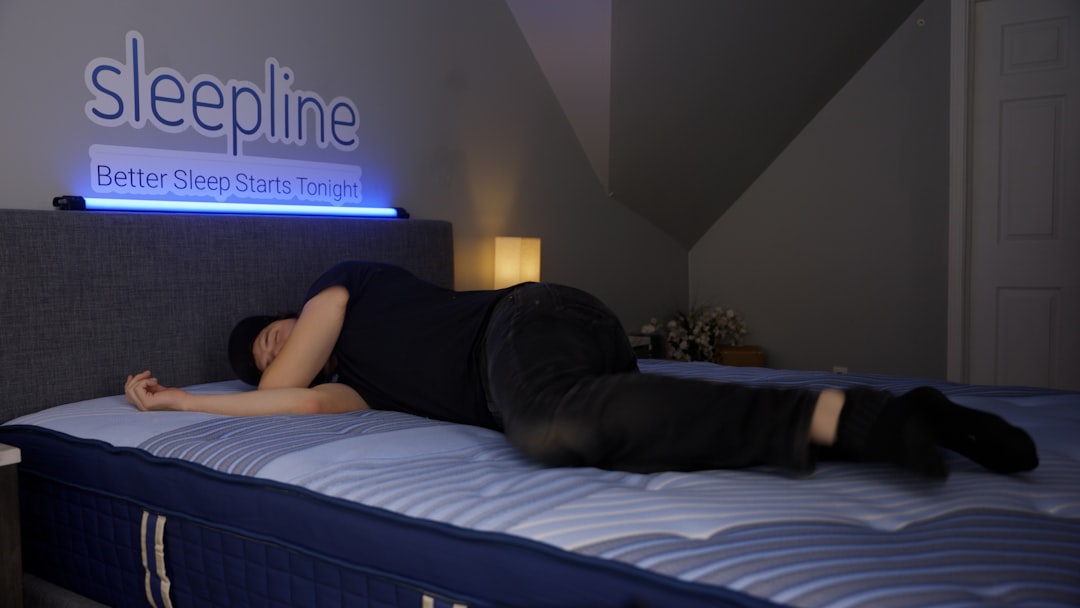
There’s honestly no substitute for this. You can read all the reviews and study the diagrams, but your body’s reaction is the final data point. The only exception is if you’re buying a mattress purely for a guest room that’ll see occasional use — then, maybe, you can skip the deep dive. For your own bed, where you’ll spend hours every night trying to ease a sore shoulder or a pregnant hip, skipping the showroom test is a risk. You commit to a size and a feel based on a piece of paper, and that’s a gamble with your comfort for years.
A Queen bed is the default for couples in Singapore, and that 152 by 190 centimetre footprint fits most master bedrooms. But for two side sleepers, that width can feel a bit tight if both tend to sprawl. Each person needs space for their arms to rest comfortably without encroaching onto the other's territory, which can disrupt the pressure relief a side-sleeping mattress is designed to provide. If you're both active sleepers who shift positions, a King around 182 centimetres wide gives you that extra margin—it’s the difference between sleeping peacefully and a nightly elbow war.
Can a King fit a 3-room BTO bedroom? Usually, yes. Many master bedrooms in newer flats are around 3.5 by 3 metres, which can accommodate a King frame with careful planning. You’ll need to leave about 60 centimetres clearance on the exit side and at least 30 on the others, so measure your room layout first. The real challenge is often the lift door, which is only about 90 centimetres wide—a rigid King frame might not turn into it, while a flexible mattress can bend and slide through.
Using two single mattresses on one King-sized frame is a common idea, especially if one partner prefers a firmer feel. It can work, but you’ll get a noticeable ridge in the centre where the mattresses meet. For side sleepers who need consistent, uninterrupted contouring across their shoulders and hips, that ridge can create pressure points exactly where you don’t want them. It’s a compromise that might suit some, but for proper pressure relief, a single, unified mattress surface is better.
Does a thicker mattress help with hip pain for side sleepers? Not necessarily. The key isn't overall height, but the quality and depth of the comfort layer. You need a thicker top layer of memory foam or latex specifically to cradle the hips and shoulders, allowing the spine to stay aligned. A very tall mattress with a thin comfort layer over a dense base won’t solve the problem—it’s about the construction, not the total inches.
Singapore's humidity doesn't just make you sweat—it quietly works on your mattress foam year after year. That constant dampness in the air, often around 80% or more, slowly degrades the resilience of lower-density materials. Budget polyfoam, the kind that feels okay at first, can start to lose its bounce and develop permanent dips within a few years, especially under the weight of side sleepers who need consistent cushioning for shoulders and hips.
Memory foam, particularly the thicker, higher-density varieties used in those medium-soft comfort layers, fares much better. It’s engineered to resist this kind of environmental stress, maintaining its contouring properties longer. This durability matters because a mattress that’s lost its shape won’t provide the pressure relief a side sleeper depends on. So while a cheaper polyfoam option might seem like a good deal upfront, the replacement cycle comes faster—and that’s a cost you’ll face sooner.
The size you choose multiplies this financial consideration. A Queen mattress, the most popular couple size here, represents a significant investment. When its core materials fail prematurely, replacing a 152 by 190cm piece isn't like swapping out a pillow. The cost scales up dramatically with the dimensions. Going for a King? Then you're talking about an even larger expense to rectify a mistake. It's not just about the initial price tag; it's about the total cost over the mattress's usable life in our climate.

Material choice is your best defence. Look for those thicker comfort layers of memory foam or latex, which are inherently more stable. They’re not immune to humidity, but they’ll stand up to it far longer than basic polyfoam will. This is one area where paying more for quality foam density is a clear win for longevity. The only time I’d consider a lower-density option is if you’re certain the mattress is a temporary solution—say, for a guest room that’s rarely used—and you’re prepared to replace it on a shorter timeline.
For your main bed, especially as a side sleeper needing that consistent support, the higher upfront cost of a resilient material pays off over the years. You avoid the sian situation of a mattress sagging before its time, forcing you to spend again on a whole new big piece. Invest in the foam that can handle our air, and you’ll sleep better for longer.
The lift door width is the real choke point, not your bedroom door. In many older HDB blocks, that opening is just 90 centimetres—a rigid king-size bed frame simply won’t fit. You might get the mattress in, bent around the corner, but the assembled frame will be stuck downstairs, forcing a costly staircase carry or even a hoist. That’s a delivery surcharge you didn’t budget for, and it’s a logistical headache that can turn delivery day into a full-blown saga. So before you commit, take the tape measure to your lift lobby and confirm the clearance yourself. Don’t rely on the standard figures; skirting boards and protruding fixtures can eat up that last crucial centimetre.
Even if the lift clears it, the bedroom itself needs a second check after the frame is up. A Queen, at 152 by 190cm, leaves decent walking space in a typical 3.5 by 3 metre master bedroom. A King, around 183cm wide, demands more careful planning. You’ll want at least 60cm of clearance on the side you exit from—anything less feels cramped and makes moving around a daily annoyance. For side sleepers, who often shift position through the night, that edge space is critical. Rolling off because you’re pinned against the wall is a lousy way to wake up, and it defeats the purpose of a mattress designed to cradle your shoulders and hips.
The exception? If you’ve got a newer BTO with wider corridors and a spacious master bedroom, a King can work beautifully. It gives each side sleeper ample personal territory, eliminating that mid-night elbow clash. But in a compact 3-room resale flat or a common bedroom converted for a couple, the Queen is the smarter play. It delivers the sleeping width you need without turning the room into a mere bed chamber. Your choice should let you breathe, not box you in.
Ultimately, this final measurement isn’t about the mattress specs—it’s about your actual living space. A mattress that relieves pressure points is worthless if you’re stressed every time you navigate your own bedroom. Get the dimensions right, and the comfort follows.
Mattress delivery in Singapore faces tight physical constraints. The typical HDB lift door opening is the limiting point at roughly 90cm wide. A standard Queen mattress, at 152cm wide, will be rolled and compressed to pass through this gap. Buyers should confirm their corridor turns and internal doorway widths, allowing a 2–5cm buffer for manoeuvring.
A mattress for side sleepers must fit the room, not just the bed frame. Queen size (152x190cm) fits most HDB master bedrooms comfortably, leaving space for side access. For a compact common bedroom around 12 sqm, a Super Single (107x190cm) might be more practical. Always measure the room and leave a 60cm clearance on the exit side for easy movement.